Choosing the right grill can be a daunting task with so many options available. First, you need to consider your cooking style. Are you a casual weekend griller or a serious barbecue enthusiast? If you enjoy hosting frequent cookouts, a larger gas grill might be the way to go, offering quick heat control and ample cooking space. On the other hand, if you're mostly grilling for yourself or a small family, a compact charcoal grill might serve your needs just fine, giving you that authentic smoky flavor.
Next, think about the fuel type. Gas grills are popular for their ease of use and convenience, letting you fire up the grill at a moment's notice. Charcoal grills, while requiring more preparation time, can deliver deeper flavors and a sense of tradition. For those looking to experiment or cook with precision, electric grills and pellet grills are also great options worth considering. Each fuel type has its own pros and cons, so weigh your options carefully based on your personal preferences.
Another important aspect is the grill's construction and features. Look for sturdy materials that promote durability, such as stainless steel or cast iron. Some models come with added features like side burners, rotisserie kits, or built-in thermometers, which can enhance your grilling experience. Make sure to assess your budget as well; while it’s tempting to go for high-end models with all the bells and whistles, there are many affordable grills that can still meet your grilling needs effectively.
Finally, read reviews and do some research on different brands and models. Understanding what other users have to say can help guide your decision. Remember that your perfect grill will depend on your unique preferences and what works best for your lifestyle. Take your time, explore your options, and you’re sure to find the grill that suits you perfectly.
Understanding Different Grill Types
When it comes to grilling, not all grills are created equal. Understanding the different types of grills can help you make the best choice for your cooking needs and preferences. The three main types of grills are gas grills, charcoal grills, and electric grills, each offering unique benefits and flavors.
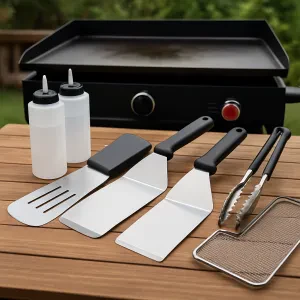
Gas Grills are the most popular choice for many grilling enthusiasts. They are convenient and easy to use, heating up quickly and providing precise temperature control. Whether you’re grilling hamburgers or vegetables, gas grills allow you to adjust the heat with just the turn of a knob. Plus, they’re often easier to clean than other types, making post-grilling cleanup a breeze.
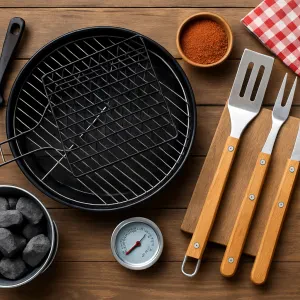
On the other hand, Charcoal Grills appeal to those who cherish that classic smoky flavor. The traditionalists in the grill world argue that charcoal provides a depth of flavor that gas simply cannot match. While charcoal grills may take a bit longer to heat up and require more effort to maintain temperature, the rewarding taste of food cooked over charcoal is often worth the extra work.
For those who prefer a more modern approach, Electric Grills have become increasingly popular. These grills are ideal for apartment dwellers or anyone with limited outdoor space, as they can be used indoors. They are incredibly user-friendly and minimize the risk of flare-ups. However, some grilling purists may feel that electric grills lack the authentic smoky taste of their gas and charcoal counterparts.
Essential Features to Consider
When embarking on your journey to find the perfect grill, there are several essential features you should consider to ensure that you make a choice that fits your cooking style and needs. First and foremost, think about the fuel type. Grills can be fueled by gas, charcoal, or even wood. Gas grills are known for their convenience and quick heat-up time, while charcoal grills offer that classic smoky flavor that many barbecue enthusiasts cherish. Wood pellet grills provide a unique taste and temperature control, so assess which type aligns best with your grilling aspirations.
Another key feature to evaluate is the size of the grill. The cooking area should meet your entertaining needs—whether you plan to cook for a small family or host larger gatherings. Measure your outdoor space to ensure that your new grill will fit comfortably. Additionally, consider the number of burners: multiple burners can create zones for different cooking temperatures, which is great for managing various types of food at once.
Don’t overlook the construction and durability of the grill. Quality grills are often built with materials such as stainless steel, which can withstand the elements and prevent rust. Look for a grill that comes with warranties or guarantees, as this often indicates a commitment to quality by the manufacturer. Easy maintenance features, like removable grease trays and easy-to-clean grates, can also enhance your grilling experience and keep your equipment in top shape.
Finally, think about extra features that can elevate your grilling game. Consider options like side burners, rotisserie kits, and built-in thermometers, which can add versatility and convenience to your cooking. Some grills even come with smart technology that allows you to monitor temperatures through your smartphone. These additional features can be appealing and may enhance your overall grilling experience, so weigh their importance against your budget.
Caring for Your New Grill
One of the most important aspects of grill maintenance is regular cleaning. After each use, allow the grill to cool down, and then clean the grates with a sturdy brush. This prevents buildup from food residue and helps achieve those beautiful grill marks on your next cookout. For gas grills, it’s also a good idea to check the burners for blockages and to clean the interior surfaces periodically.
Storage is another key factor in caring for your grill. If you live in an area with harsh weather conditions, consider investing in a high-quality grill cover. This will shield your grill from rain, snow, and debris, prolonging its life. Even when it's stored away, it's wise to perform regular checks to ensure no rust or damage occurs while it’s not in use.
Lastly, don't forget about the fuel system! For charcoal grills, keep a supply of charcoal on hand and ensure it’s stored in a cool, dry place. For gas grills, check your propane levels regularly and inspect hoses for leaks. By taking these steps, you'll enjoy countless unforgettable grilling experiences with a well-cared-for grill.