Grilling is a fun and delicious way to prepare meals, whether you’re kitchen novice or a backyard barbecue expert. To get started, it helps to understand some basic concepts of grilling. First, you need to decide on the type of fuel you will use—propane or charcoal. Both options have their own set of advantages and unique flavors that can elevate your grilling experience.
If you choose propane, you'll appreciate the convenience it offers. Propane grills heat up quickly and allow for precise temperature control, making it easier to cook your food evenly. Lighting the grill is as simple as turning a knob and igniting the flame, which means less time waiting and more time enjoying your meal. Simply preheat for a few minutes, and you’re ready to go!
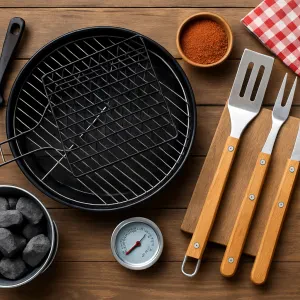
On the other hand, charcoal grilling brings a smoky flavor to your food that many grill enthusiasts adore. While it may take a little longer to get started, with some practice, you can master the art of charcoal grilling. Lighting charcoal can be done using lighter fluid or a chimney starter, and after the briquettes are ashed over, they provide a great, even heat for searing meats and veggies alike.
Regardless of your choice between propane or charcoal, always remember a few important tips. Always preheat your grill to ensure a good sear on your food. Keep a close eye on cooking times, especially for meats, to avoid overcooking. And don't forget to have fun! Grilling is as much about the cooking as it is about enjoying good food and good company.
Pros and Cons of Propane
When it comes to choosing between propane and charcoal for your grilling needs, propane offers a range of benefits that can enhance your cooking experience. One of the primary advantages is convenience. Propane grills ignite easily and heat up quickly, allowing you to start grilling without the long wait typical of charcoal. This makes it an excellent choice for busy weeknights or spontaneous gatherings with friends.
Another significant pro of propane is temperature control. With a propane grill, you can easily adjust the heat level, providing you with precise cooking conditions for various foods. Whether you're searing steaks or gently roasting vegetables, propane lets you achieve the perfect results. Additionally, propane produces consistent heat, which helps to minimize the risk of uneven cooking.
However, there are some downsides to consider with propane grilling. While it’s incredibly convenient, many enthusiasts argue that it doesn’t deliver the same smoky flavor that charcoal does. This can be a downside for those who believe the taste of grilled food is paramount. Also, propane can be more expensive than charcoal in the long run, especially if you grill often and need to refill your tanks frequently.
Safety can also be a concern with propane. Propane tanks need to be stored and handled properly to avoid leaks or accidents. While modern propane grills are designed with safety features, it’s essential to remain vigilant and understand how to safely operate your grill. Ultimately, weighing these pros and cons will help you decide if propane is the right choice for your grilling adventures.
Benefits of Charcoal Grilling
Charcoal grilling has been a beloved cooking method for many backyard chefs, and it offers a host of benefits that make it an appealing choice. One of the most significant advantages is the rich, smoky flavor that charcoal imparts to food. Unlike propane, which burns cleanly and evenly, charcoal provides a unique and authentic taste that many purists swear by. This deep flavor can elevate the simplest of meals, making burgers, steaks, and veggies truly unforgettable.
Another benefit of charcoal grilling is the high cooking temperature it can achieve. Charcoal can reach temperatures well above those of propane grills, allowing for an excellent sear on meats and giving them that perfect crust. This searing process locks in moisture and flavor, resulting in juicy, delicious dishes. For those who love the art of grilling, mastering the heat of a charcoal grill can be a rewarding challenge.
Charcoal grills also tend to be more affordable upfront compared to propane models. The initial cost of purchasing a charcoal grill is often lower, making it a great option for those starting their grilling journey or on a budget. Additionally, charcoal is typically more widely available and can be purchased in various forms, from briquettes to lump charcoal, allowing for flexibility in the grilling experience.
Finally, using a charcoal grill can enhance the entire grilling experience. The process of lighting the charcoal, adjusting the airflow, and managing the heat becomes an interactive and rewarding ritual. Many grill enthusiasts find joy in the hands-on nature of charcoal grilling, creating a deeper connection to the cooking process. Whether it's the flickering flames or the aroma of burning wood, charcoal grilling engages the senses in a way that propane simply cannot match.
Making Your Best Choice
When it comes to grilling, the choice between propane and charcoal can feel overwhelming. Each option has its passionate supporters, and understanding the differences can help you make a decision that fits your lifestyle and taste. Let’s break down the benefits of both to help you determine which grilling method aligns with your preferences.
Propane grills are known for their convenience and ease of use. They ignite quickly and allow for precise temperature control, which is perfect for those who enjoy a little finesse in their cooking. With propane, you can also be ready to grill within minutes, making it an ideal choice for quick weeknight dinners or unexpected guests. Plus, the clean-burning nature of propane means less ash to clean up afterward, keeping your outdoor space neat and tidy.
On the other hand, charcoal grills are often favored for the deep, smoky flavor they impart to food. The process of lighting and tending to coals can feel like a ritual that many grilling enthusiasts cherish. If you enjoy the challenge of getting the perfect sear or mastering the right amount of smokiness, charcoal might be your path to grill mastery. Additionally, charcoal grills typically come in more affordable options, which can be a plus for budget-conscious grillers.
Your choice may also depend on your cooking style. If you value a faster, more straightforward grilling experience, propane is likely the way to go. However, if you appreciate the art of grilling and enjoy experimenting with flavors, charcoal could be your best bet. Ultimately, the decision is personal and should reflect what you enjoy most about grilling. Dabble with both methods if you can, and see which one captures your heart—and your taste buds!